1. Missing, Broken, or Curled Roof Tiles
Roof tiles protect your property from rain, snow, and wind. Signs that tiles need attention include:
- Cracked or broken tiles
- Tiles that have shifted or fallen off
- Curled or warped tiles
Missing or damaged tiles can allow water to penetrate your roof structure, leading to damp, mould, and rot inside your home. Even a small gap can become a major problem over time.
2. Water Leaks or Stains Inside Your Home
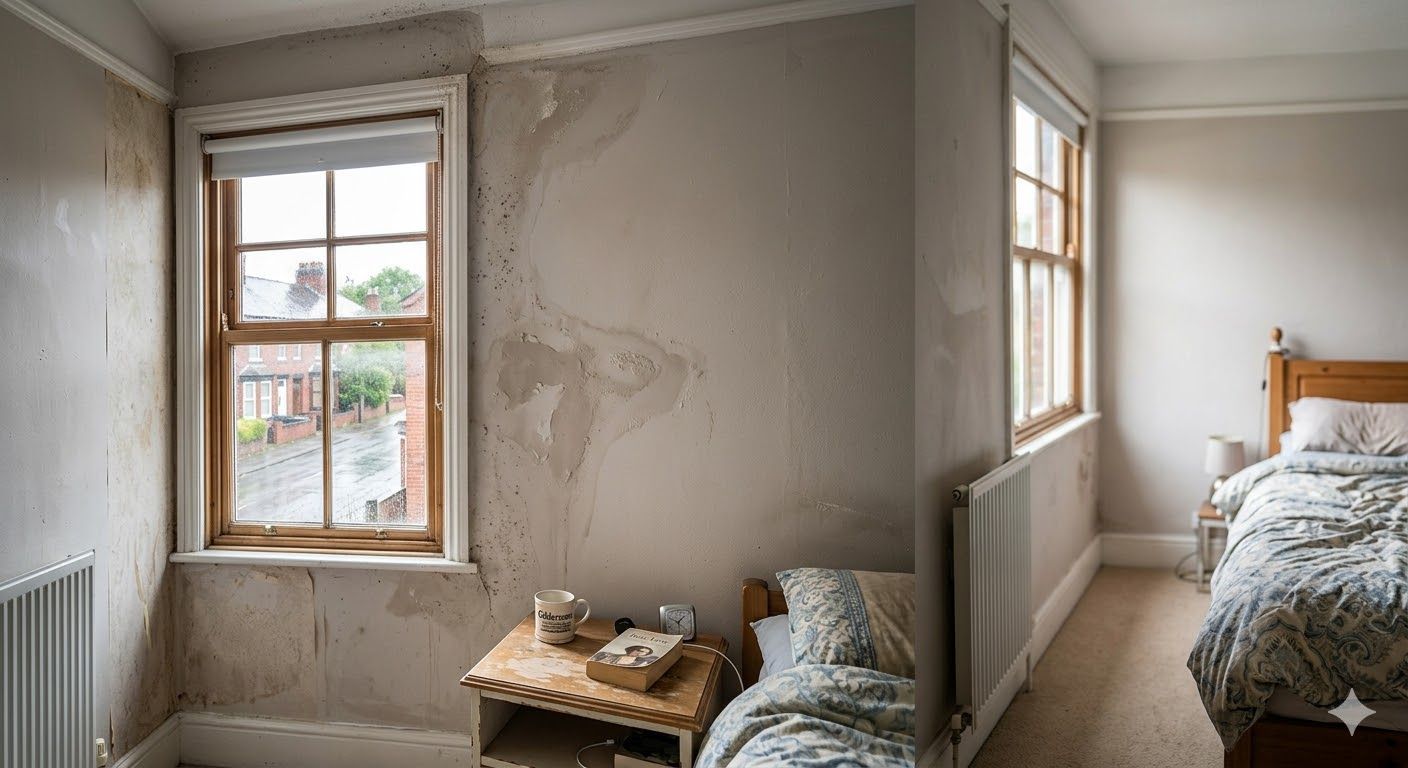
Water inside your property is a clear signal that your roof may be compromised. Look out for:
- Stains on ceilings or walls
- Dripping water or damp patches
- Peeling or bubbling paint or wallpaper
These symptoms indicate
active leaks that need immediate professional inspection. Ignoring leaks can damage insulation, plaster, and timber, increasing repair costs significantly.
3. Sagging or Uneven Roof Structure
A sagging roof can point to serious structural problems, including:
- Damaged roof timbers
- Rot in the rafters
- Water-logged decking
Even slight sagging should prompt a professional inspection. Structural weakness can worsen quickly, posing safety risks and higher repair bills.
4. Granule Loss on Roof Shingles
For homes with asphalt shingles, look for:
- Bare patches where granules have worn away
- Excess granules in gutters or downpipes
Granule loss reduces your roof’s ability to protect against UV rays and water. This can accelerate ageing and shorten the lifespan of your roof, signalling it may be time for a replacement or repair.
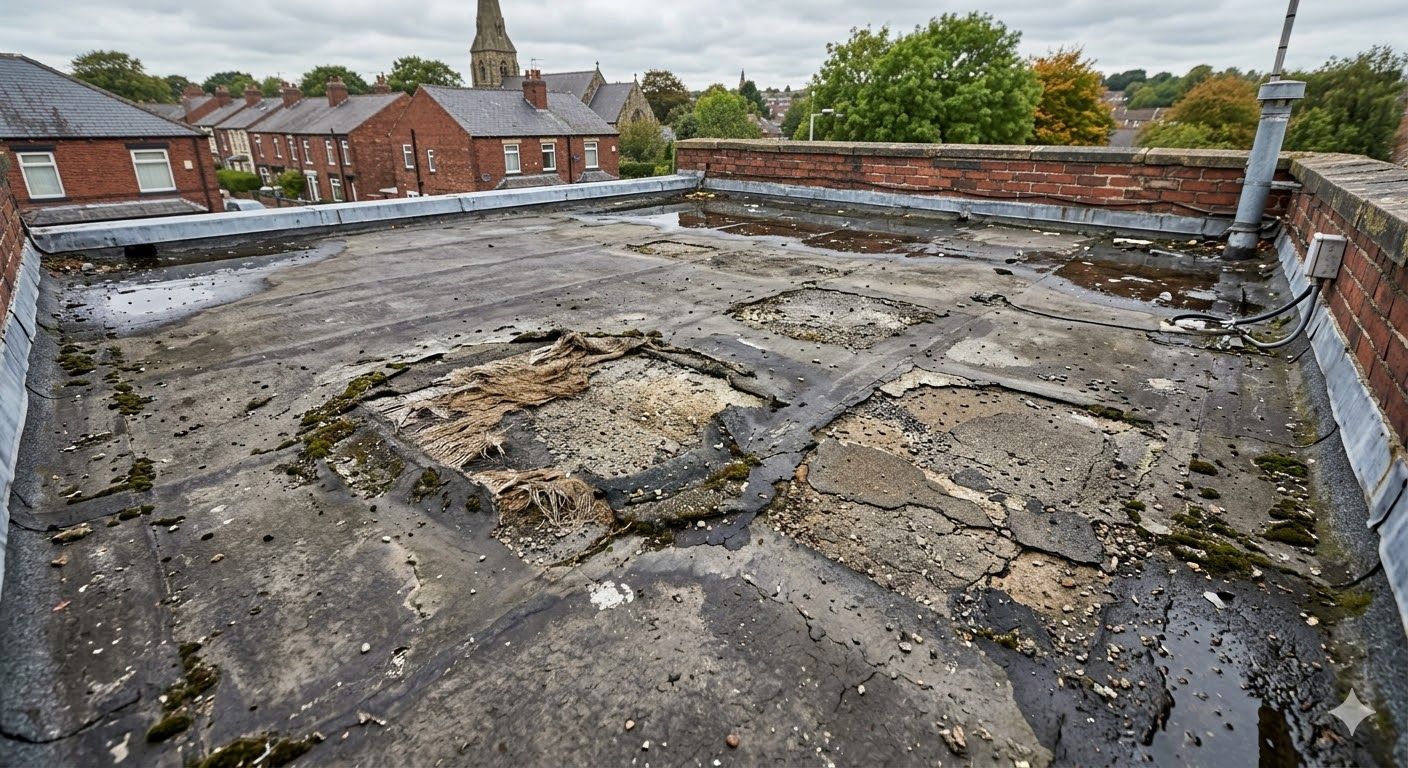
5. Visible Signs of Moss, Algae, or Lichen
While moss or algae can seem cosmetic, they can cause real damage by:
- Retaining moisture against the roof surface
- Encouraging tile cracking or slippage
- Blocking gutters and drainage
Regular roof inspections can prevent minor growth from developing into serious water ingress problems.
Why Professional Roof Inspections Matter
Many issues are
not visible from the ground. A professional roofer can:
- Identify hidden leaks and weak spots
- Check flashing, gutters, and roof penetrations
- Assess insulation and ventilation
- Provide a detailed report with recommendations
Annual or bi-annual inspections are recommended for homeowners, landlords, and property managers, particularly after storms or harsh weather.
When to Act Immediately
Call a professional if you notice:
- Water inside your property
- Sagging or uneven rooflines
- Missing tiles after a storm
- Persistent moss growth
Early intervention often
saves money and prevents further damage. It also ensures your home remains safe and weatherproof.
Final Thoughts
Your roof protects your home, your family, and your belongings. Even small warning signs should never be ignored. By scheduling regular inspections and addressing problems early, you can
extend your roof’s lifespan, prevent costly repairs, and maintain your property’s value.