1. Understanding Condensation
Condensation occurs when
moisture-laden air meets a cooler surface, like walls or windows. It’s especially common in kitchens, bathrooms, or poorly ventilated rooms.
Signs of condensation include:
- Misty windows in winter
- Water droplets on walls or ceilings
- Black mould around corners or behind furniture
Condensation is often
not a structural problem, but it can promote mould growth and cause damage over time if left untreated.
Common causes of condensation:
- Poor ventilation
- Drying clothes indoors
- High humidity from showers or cooking
- Cold walls and insufficient insulation
2. Signs of Damp Problems
Damp is more serious and can be caused by
water ingress or leaks, rather than internal humidity.
Signs that your property may have damp include:
- Persistent wet patches on walls
- Peeling or bubbling paint
- Musty odours
- Salt deposits or white powder (efflorescence) on walls
- Stains or streaks that appear after rainfall
Damp can come from:
- Leaking roofs or gutters
- Broken or cracked exterior walls
- Faulty flashing or window seals
- Rising damp from foundations
Unlike condensation, damp often requires
professional inspection and repair to prevent structural damage.
3. Exterior Problems That Cause Mould
Sometimes, mould is caused by problems
outside your property, such as:
- Cracked or deteriorating render
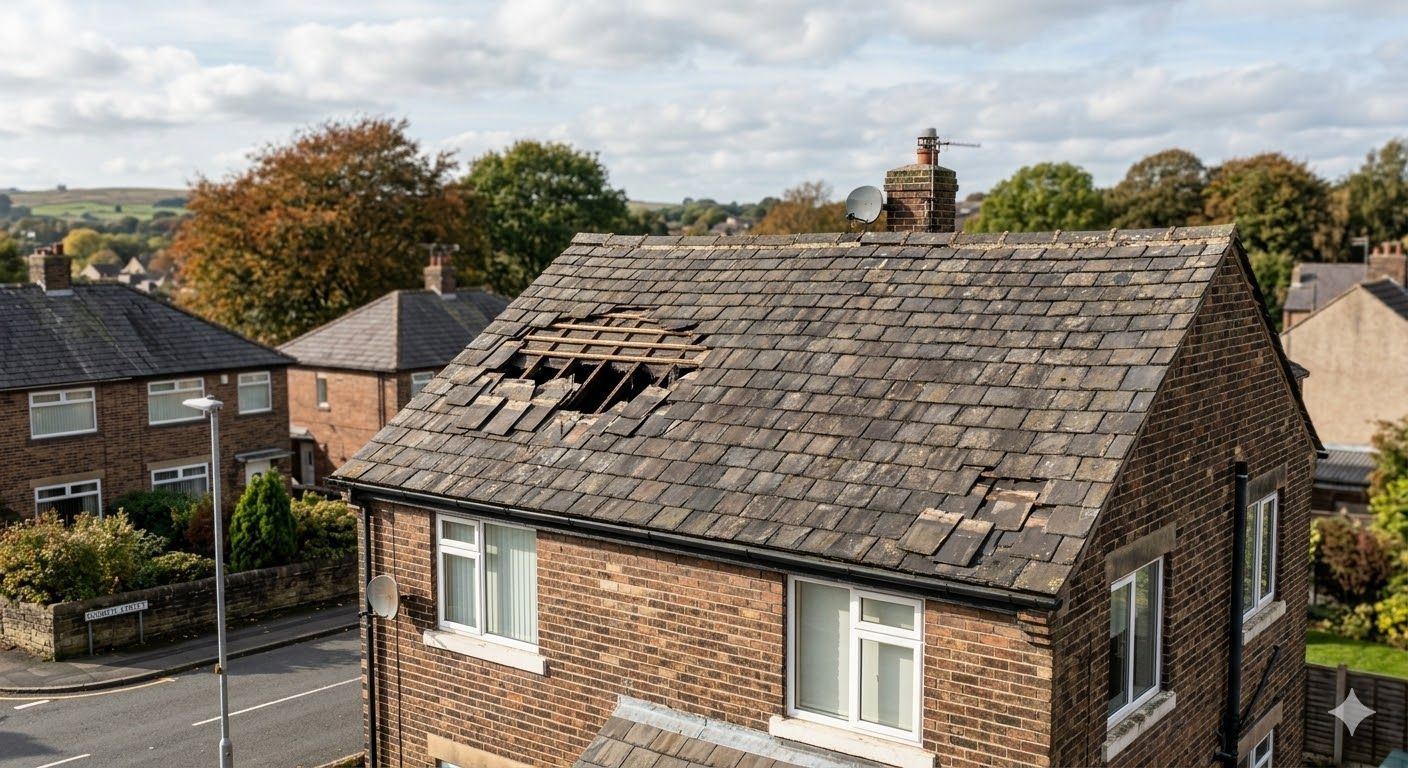
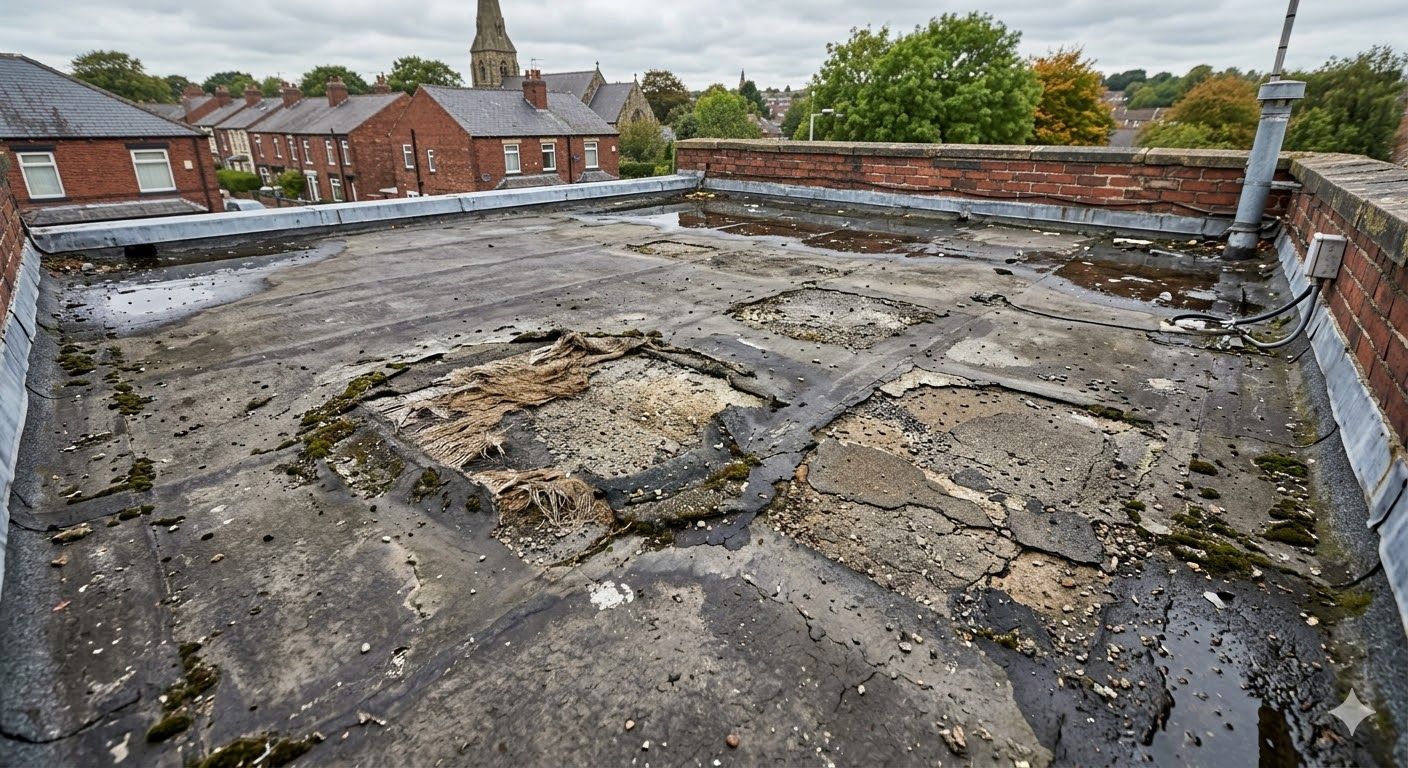
- Damaged roof tiles or flat roofs
- Blocked or leaking gutters and downpipes
- Poor drainage near foundations
These issues allow water to penetrate walls, leading to damp, mould, and even timber rot. If left untreated,
exterior defects can worsen quickly, especially during heavy rainfall.
4. Preventing Condensation
- Open windows regularly
- Use extractor fans in kitchens and bathrooms
- Avoid drying clothes indoors
- Heat rooms evenly, especially during winter
- Use breathable paint to reduce moisture buildup
5. Addressing Damp and Exterior Problems
If mould is caused by external water penetration:
- Inspect and repair roof leaks, gutters, and downpipes
- Re-render or repair cracks in walls
- Install proper drainage to prevent water pooling
- Treat and re-plaster affected walls with damp-resistant materials
Professional inspection is recommended to identify
hidden causes and prevent recurrence.
6. When to Call a Professional
You should contact a qualified contractor if:
- Damp or mould returns despite ventilation improvements
- Mould spreads over large areas
- Walls feel damp or soft to touch
- You suspect water is entering from outside
Early intervention can prevent
structural damage, costly repairs, and health risks from prolonged mould exposure.
Final Thoughts
Not all mould and condensation are the same. By understanding the
difference between internal condensation, damp problems, and exterior water ingress, you can take appropriate action to protect your property and your family’s health.
For landlords, property managers, and homeowners, early assessment and targeted repairs are the
best way to stop problems from escalating, reduce maintenance costs, and maintain a safe living environment.