What Is Pebbledash?
Pebbledash is a type of exterior wall covering where small stones or pebbles are thrown onto wet render or cement. It was widely used on homes built in the mid-20th century for its:
- Weatherproofing properties
- Low maintenance finish
- Affordable application
However, over time, it can make homes look dated and may even cause maintenance issues.
Signs Your Pebbledash May Need Replacing
While removal isn’t always necessary, it’s worth considering if you notice:
- Cracked or loose pebbledash
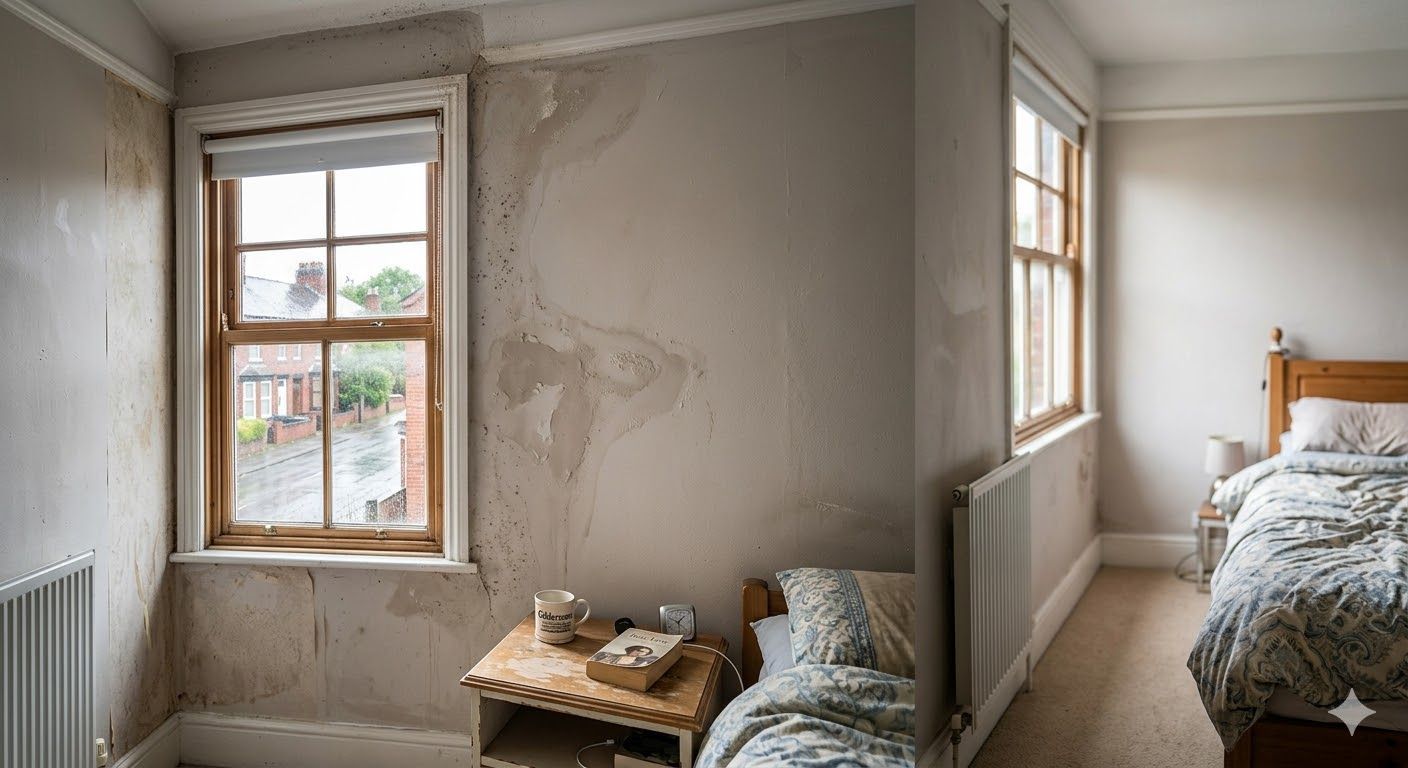
- Water penetration or damp patches
- Mould or algae growth
- Fading or uneven colour
- Your home looks outdated and is reducing kerb appeal
If multiple issues appear, removing the pebbledash and applying modern render can
protect your home and improve its value.
Benefits of Removing Pebbledash
1. Improved Aesthetics
One of the biggest reasons homeowners opt for removal is
appearance. Smooth render or other finishes can:
- Modernise your property’s look
- Increase kerb appeal
- Complement landscaping and windows
- Enhance resale value
A fresh exterior finish can make your home feel more welcoming and contemporary.
2. Reduced Maintenance
While pebbledash was once praised for low maintenance, it can:
- Trap dirt, moss, and algae
- Make painting difficult
- Crumble in damp or harsh weather
Replacing it with a smooth render or insulated cladding makes
cleaning and upkeep easier.
3. Energy Efficiency Improvements
Removing pebbledash offers the opportunity to:
- Add modern insulation
- Reduce heat loss through walls
- Improve your EPC rating
This can lower energy bills and make your home warmer during colder months.
4. Addressing Structural or Damp Issues
If water penetration has occurred behind pebbledash, removal:
- Allows inspection of the wall structure
- Lets you repair cracks or damaged masonry
- Prevents long-term structural problems
Ignoring persistent damp behind pebbledash can lead to
costly repairs later.
Alternatives to Full Removal
If full removal seems costly or disruptive, alternatives include:
- Over-rendering: Apply new render directly over pebbledash
- Cladding: Install brick slips, timber panels, or PVC cladding
- Painting: Modern masonry paint can refresh the look without removal
Each method has pros and cons, but
full removal often provides the
best long-term results.
Is Pebbledash Removal Worth It?
Whether it’s worth it depends on your priorities:
- Yes, if you want: Modern aesthetics, improved insulation, long-term maintenance savings, or increased property value
- Maybe not, if you: Prefer low upfront cost, like the current pebbledash style, or the walls are in good condition
For most homeowners looking to modernise and protect their property,
pebbledash removal is a smart investment.
How to Ensure a Successful Removal
- Use a
qualified, experienced contractor
- Check for
hidden damp or structural issues before finishing
- Choose a finish that
complements your property style
- Budget for
disposal and cleanup costs
Professional removal ensures your walls are smooth, durable, and ready for modern finishes.
Final Thoughts
Pebbledash removal isn’t just about looks — it’s about
protecting your home, improving energy efficiency, and enhancing value. While the upfront cost may seem significant, the long-term benefits often outweigh the expense.
If your property looks dated, suffers from damp, or needs lower maintenance, pebbledash removal is likely
worth considering.