1. Age of the Roof
Most flat roofs have a lifespan of
15–30 years, depending on the materials used:
- Felt roofs: 15–20 years
- EPDM rubber roofs: 20–30 years
- Fibreglass roofs: 20–35 years
If your roof is approaching the end of its expected lifespan, even minor issues may indicate it’s time for replacement rather than patch repairs.
2. Visible Damage or Cracks
Flat roofs are exposed to extreme weather, which can cause:
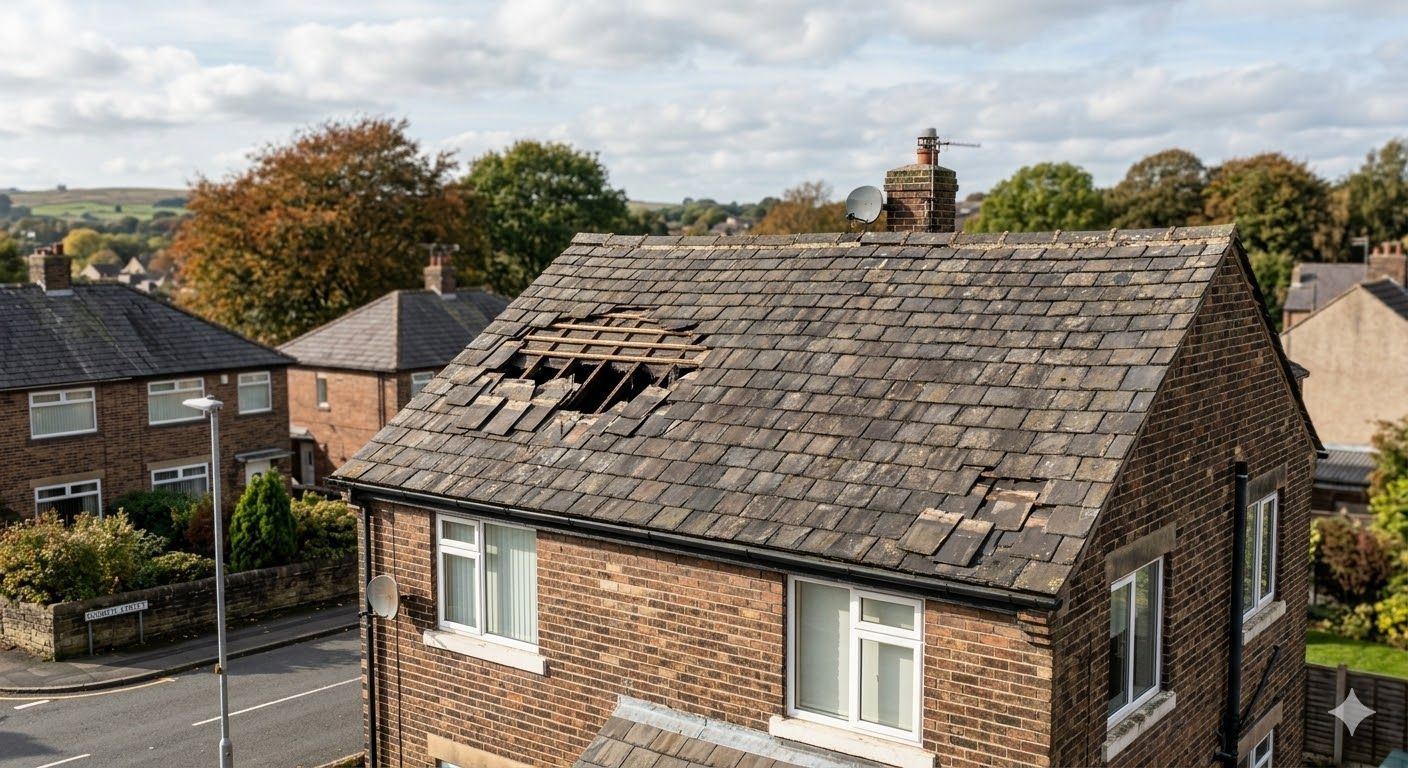
- Cracks or splits in felt or EPDM
- Blistering or bubbling of the roofing membrane
- Loose or curling edges
These damages can allow water ingress and accelerate deterioration. A visual inspection from the ground or with a professional can reveal early signs of failure.
3. Water Pooling or Leaks
One of the most common signs a flat roof needs replacing is
standing water:
- Puddles or pooling after rain
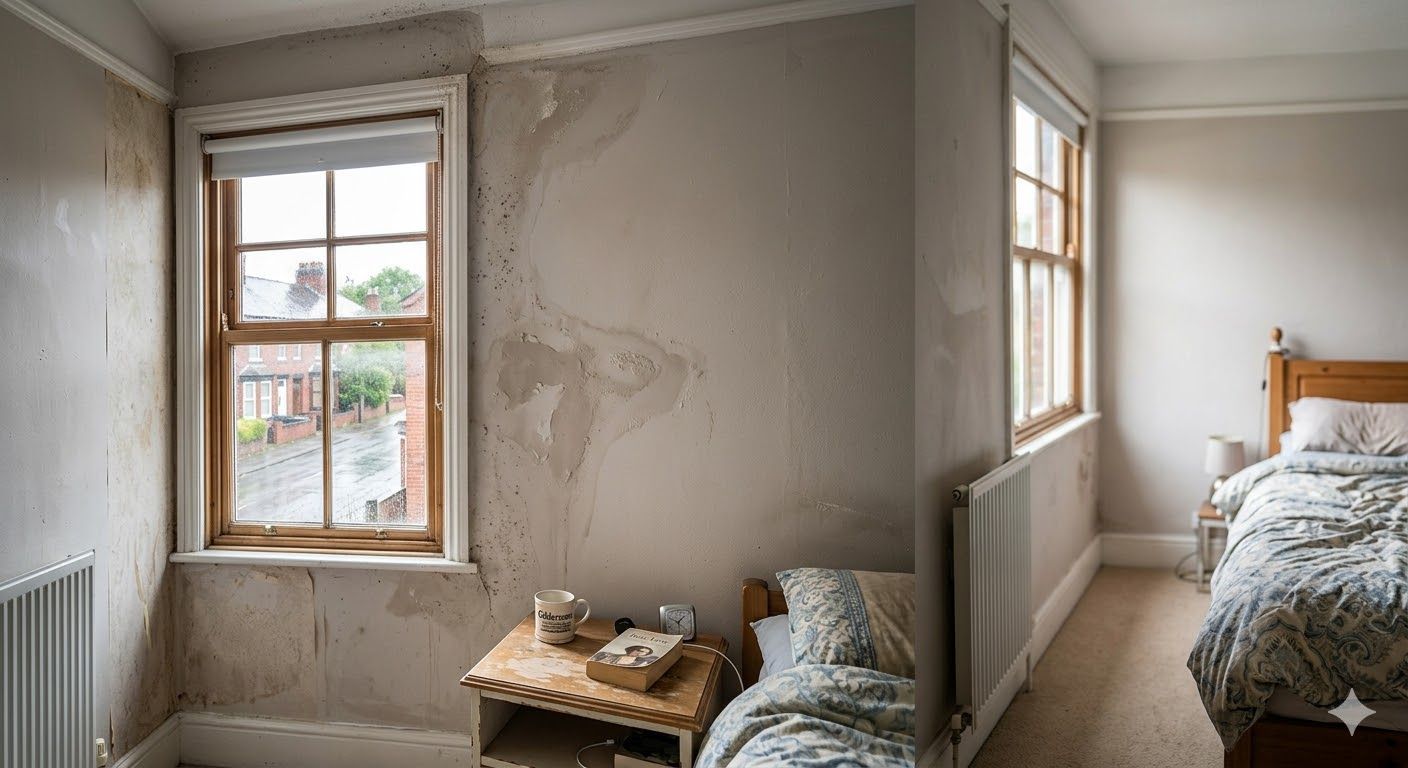
- Damp patches on ceilings or walls below
- Mould, mildew, or water stains
Persistent pooling can weaken the roofing material, compromise insulation, and eventually lead to leaks inside your property.
4. Sagging Roof Structure
A sagging flat roof indicates serious underlying issues:
- Structural timber may be rotting
- Water may have seeped into insulation
- Roof decking may be compromised
Sagging is a clear warning that a simple repair will not be sufficient. Professional assessment is recommended immediately.
5. Frequent Repairs
If your roof requires
repeated repairs, it may be more cost-effective to replace it:
- Patching leaks every year or two
- Re-sealing joints frequently
- Repairing cracks after storms
A replacement ensures long-term protection and may reduce your overall maintenance costs.
6. Signs of Membrane Failure
Flat roofs rely on membranes for waterproofing. Check for:
- Torn or lifting membranes
- Bubbling, blistering, or punctures
- Seams separating or peeling
Membrane failure often precedes major leaks, so timely replacement is crucial.
7. Insulation Damage or Energy Loss
Flat roof failure can affect your property’s energy efficiency:
- Cold or damp spots in rooms below
- Rising heating bills due to heat loss
- Damaged or wet insulation
Replacing the roof allows you to upgrade insulation for better energy efficiency, which can save money in the long term.
8. When to Call a Professional
Even if you notice minor issues, a
qualified roofing contractor can:
- Assess structural integrity
- Identify hidden damage
- Advise on repair vs. full replacement
- Provide a clear cost estimate
Professional inspections are especially important for landlords, property managers, and commercial property owners, as flat roof failure can cause costly damage to tenants’ spaces.
9. Final Thoughts
Flat roofs require regular inspection and maintenance to prolong their lifespan. Key signs you may need a replacement include:
- Age beyond expected lifespan
- Cracks, blistering, or membrane damage
- Water pooling or leaks
- Sagging structure
- Frequent repairs
When in doubt,
call a professional roofing contractor to assess your flat roof. Timely replacement can protect your property, improve energy efficiency, and prevent costly damage.